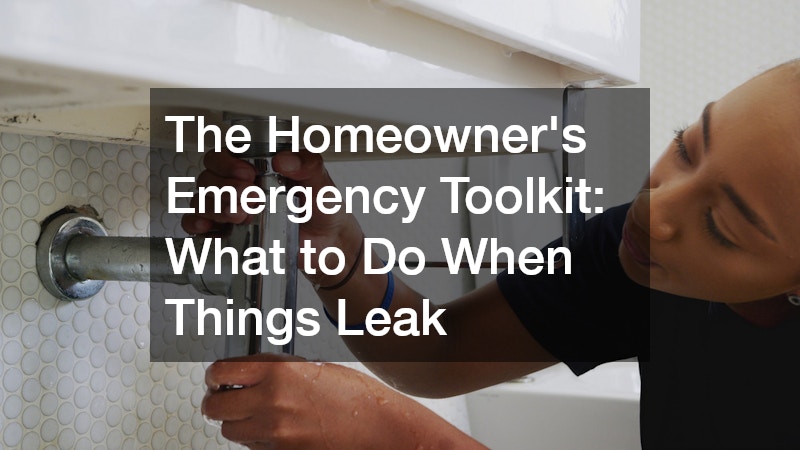
Water damage is one of the most expensive and stressful problems a homeowner can face. A small, undetected leak can silently rot out a subfloor, fuel mold growth behind walls, and turn a small repair into a massive restoration project. Yet most homeowners don’t think about their plumbing until something goes wrong at the worst possible time: a holiday weekend, a cold snap, or right before guests arrive.
Whether you’re dealing with a dripping faucet, a mysterious wet spot on the ceiling, or a full-blown plumbing emergency, knowing what to look for, what to do first, and when to call a professional can mean the difference between a quick fix and a complete disaster. Work through this from start to finish, and you’ll have a reliable mental framework for handling almost any water-related emergency your home throws at you.
Know Before You Panic: How to Identify the Source and Severity of a Leak
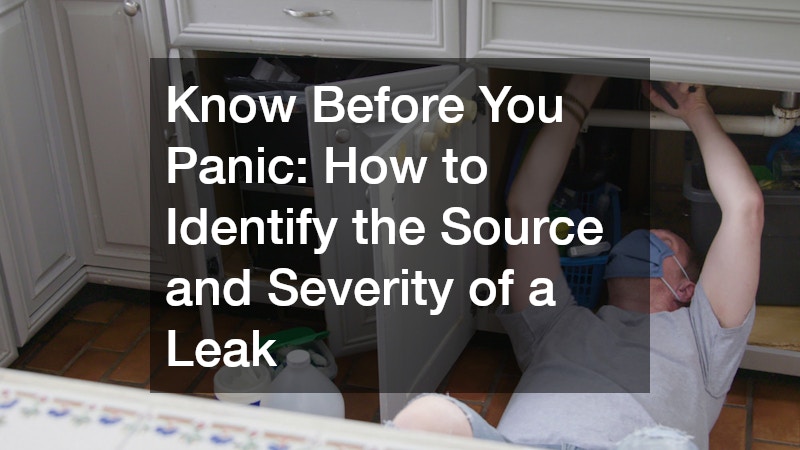
Before you grab a bucket or start tearing into drywall, take two minutes to gather information. Misidentifying the source of a leak is one of the most common and costly mistakes homeowners make. Treating a symptom instead of the cause means the damage keeps happening, often in places you can’t see.
Start with your water meter. Shut off every water-using appliance and fixture in the house, then go outside and check whether the meter is still moving. If it is, you have an active leak somewhere in the supply line. This one simple test tells you whether you’re dealing with a supply-side issue or a drain/waste problem, which are two very different repair paths.
From there, look for these visual clues:
- Discoloration or staining on ceilings and walls (yellow or brown rings indicate older, slower leaks)
- Warped or buckling flooring, especially near bathrooms and kitchens
- Peeling paint or wallpaper is not caused by humidity
- A musty smell concentrated in one area of the home
- Unexplained increases in your monthly water bill
For leaks that are behind walls, under slabs, or otherwise invisible, leak detection services use non-invasive tools like acoustic sensors, thermal imaging, and pressure testing to locate the problem without unnecessary demolition. If you’ve done the basic checks and still can’t find the source, that’s the point where calling in a specialist pays for itself.
Why Slow Drains Are Often the First Warning Sign of a Bigger Problem
A single slow drain is usually a minor nuisance. Multiple slow drains throughout your home at the same time are a different story entirely. Clogged drains are one of the most overlooked early indicators of a developing plumbing problem, and treating each one in isolation can cause homeowners to miss what’s really happening deeper in the system.
When a kitchen sink backs up, most people reach for a plunger or a bottle of drain cleaner. That works fine for surface-level clogs caused by grease or food buildup. But when you’re clearing the same drain every few weeks, or when clearing one drain seems to make another gurgle or back up, the blockage is likely further down the line. At that point, a drain snake or hydro-jetting from a professional is a more appropriate solution.
Here’s what to do when slow drains appear:
- Clear individual fixtures first using a plunger or hand snake
- Run water in multiple fixtures simultaneously to see if the problem is isolated or widespread
- Check floor drains in basements and utility rooms, which are often forgotten until they overflow
- Avoid chemical drain cleaners in older homes with cast iron or galvanized pipes, as they can accelerate corrosion
- If the problem persists or spreads, stop DIY attempts and call a plumber for a camera inspection
What to Do When the Problem Is Underground
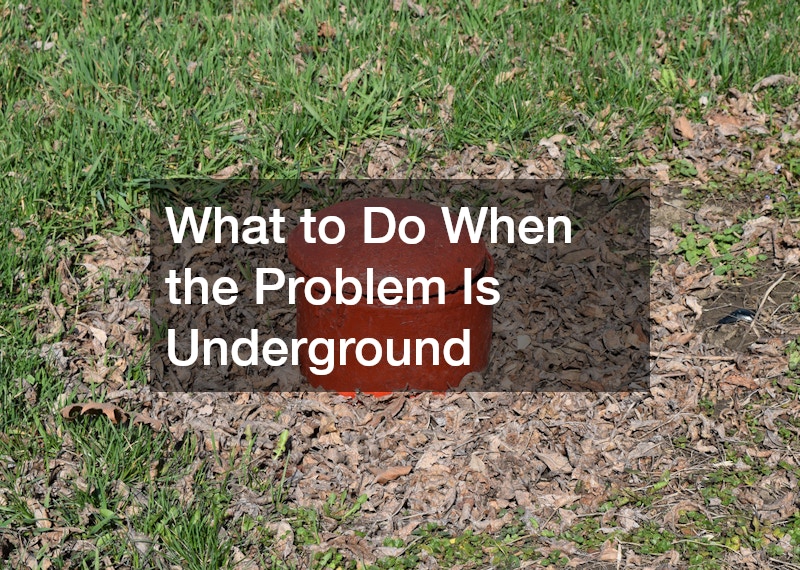
Some of the most serious plumbing failures happen completely out of sight, beneath your yard or your home’s foundation. Sewer line repairs are among the most disruptive and expensive fixes a homeowner can face, but catching the warning signs early can significantly reduce the scope of the work needed.
The symptoms of a failing or damaged sewer line are distinct. You may notice a persistent sewage odor in your yard or inside the house that has no obvious source. Patches of unusually lush, fast-growing grass over the sewer line path can indicate a leak that’s been fertilizing the soil. Sinkholes or soft, soggy spots in the yard are more advanced warning signs that the pipe has been leaking or has collapsed in that area.
Inside the home, watch for:
- Multiple drains are backing up at the same time
- Gurgling sounds from toilets when you run a sink or shower
- Sewage backing up into tubs or floor drains
- A toilet that bubbles when you flush it
Once you suspect a sewer line problem, get a camera inspection done before committing to any repair. Modern sewer line repairs often use trenchless methods such as pipe bursting or cured-in-place pipe lining, which can resolve the issue without digging up your entire yard. The sooner you act, the more options you have.
How to Find the Right Help Fast Without Overpaying
A plumbing emergency is exactly the wrong time to make a rushed, uninformed hiring decision. Finding a reliable local plumber before something goes wrong is always the better move, but if you’re in crisis mode, there are still steps you can take to protect yourself.
Start by verifying licensing and insurance before anyone starts work. In most states, plumbers are required to carry a valid license, and any reputable contractor will have liability insurance and workers’ comp. Ask for both and don’t feel awkward about it. A local plumber who hesitates to provide proof of credentials is a plumber you should not hire, regardless of their price.
Other things to confirm before work begins:
- Get a written estimate, even a rough one, before any work starts
- Ask whether the job requires a permit and who is responsible for pulling it
- Clarify the warranty on both labor and parts
- Ask neighbors or your neighborhood Facebook group for referrals, which often yield faster and more trustworthy results than a cold online search.
Hard Water Is Damaging Your Pipes Slower Than You Think
Not every plumbing problem announces itself with a burst pipe or a flooded bathroom. Hard water, which contains elevated levels of calcium and magnesium, causes slow, cumulative damage that can take years to manifest but is expensive to reverse once it does. Scale buildup inside pipes restricts flow, increases pressure, and accelerates corrosion in water heaters, dishwashers, and washing machines.
The signs are easy to spot if you know what to look for: white or gray mineral deposits around faucets and showerheads, a filmy residue on dishes after washing, soap that doesn’t lather well, or a water heater that runs longer and costs more to operate than it should. Water softener installation is one of the most cost-effective preventive measures a homeowner with hard water can take, reducing the mineral load before it reaches their fixtures and appliances.
A properly sized and installed water softener can extend the life of water-using appliances by several years and reduce the frequency of plumbing repairs over time. If you’re already seeing significant scale buildup, have your water tested before choosing a system, as the hardness level determines the type and capacity of softener your home actually needs.
Special Considerations for Mobile and Manufactured Homes
Plumbing in mobile and manufactured homes operates differently than in site-built construction, and homeowners who don’t account for those differences often end up with repairs that don’t hold or parts that don’t fit. The plumbing systems in manufactured homes are typically designed to flex with the movement of the structure, which means they use different fittings, materials, and connection methods than standard residential plumbing.
When something fails, sourcing the right mobile home plumbing parts is critical. Standard hardware store components are often sized or configured differently and may not create a proper seal in a manufactured home’s system. Specialized suppliers carry the correct slip fittings, polybutylene adapters, and belly wrap materials these homes require.
Additional tips for manufactured home plumbing emergencies:
- Know where your main shutoff is located, as it’s often under the home in the belly board rather than near the meter
- Insulate exposed pipes during cold weather, since manufactured homes are more vulnerable to freezing
- Inspect the belly wrap (the protective membrane under the home) annually for tears or moisture damage
- Keep a list of the manufacturer and model year of your home, as this helps suppliers identify compatible parts faster
When Your Water Source Is the Problem
Homeowners on private wells face a unique set of challenges that those connected to municipal water systems never encounter. When the water pressure drops, the faucets sputter, or air starts coming through the lines, the problem may not be in your plumbing at all. Well pump repair is often the actual fix needed, and it’s one that requires a clear-eyed diagnosis before any money is spent.
Common symptoms of a failing well pump or pressure tank include:
- Sudden or gradual loss of water pressure throughout the home
- Faucets that spit air before water comes out
- Rapid cycling of the pump (turning on and off every few seconds)
- A pressure gauge that reads zero even when the pump is running
- Unusual electrical usage or a tripped breaker connected to the pump circuit
Before calling a well service company, check the pressure tank yourself. A waterlogged tank, where the internal bladder has failed, is a common and relatively inexpensive fix compared to a full pump replacement. Well pump repair ranges from bladder replacement to pulling and replacing the submersible pump itself, and the cost varies significantly. Getting a second opinion before agreeing to a full pump replacement is a smart move.
Don’t Overlook the Appliances: Water Heaters and Gas Lines
Water heaters are one of those appliances that homeowners ignore until they fail, usually at the most inconvenient moment. Most tank-style water heaters have a lifespan of 8 to 12 years, and the warning signs of failure are often present months before the unit stops working entirely. Rumbling or popping sounds during heating cycles, rust-colored hot water, a unit that takes longer to recover than it used to, or visible corrosion around the base are all signs that water heater installation may be in your near future rather than years away.
When the time comes, sizing the replacement correctly matters. A tank too small for your household means you’ll constantly run out of hot water; a tank too large wastes energy every day. Tankless options have become increasingly popular for their energy efficiency and unlimited hot water supply, but they have higher upfront costs and specific installation requirements.
Any time a water heater replacement or new appliance involves connecting to a gas line, that work must be done by a licensed professional. Gas line installation is not a DIY project under any circumstances. An improperly connected gas line creates a risk of fire, explosion, and carbon monoxide poisoning, and in most jurisdictions, unpermitted gas work voids your homeowner’s insurance and creates serious liability.
After the Leak: Stopping Mold Before It Starts
Once the leak is fixed, most homeowners breathe a sigh of relief and move on. That’s a mistake. Water that has soaked into subfloors, wall cavities, or insulation doesn’t dry out on its own in any reasonable timeframe, and mold can begin colonizing within 24 to 48 hours of water intrusion. The repair job isn’t done when the dripping stops.
Immediately after stopping the leak, ventilate the affected area as much as possible. Open windows and doors, run fans pointed at wet surfaces, and use a dehumidifier to pull moisture out of the air. Remove any saturated materials you can access, including wet rugs, cardboard, and insulation, since these hold moisture and accelerate mold growth. If drywall has absorbed significant water, it typically needs to come out rather than be dried in place.
Calling local water damage services early is almost always cheaper than discovering mold remediation costs three months later. Document everything with photos before, during, and after cleanup for insurance purposes.
Water emergencies are stressful, but they’re survivable, and the homeowners who come out ahead are the ones who stay calm, take methodical action, and know when to hand the problem off to a professional. The most important preparation you can do doesn’t happen during an emergency. It happens on a quiet Tuesday when you take ten minutes to locate your main shutoff, save the number of a trusted plumber, and schedule an annual inspection of your home’s critical systems.