Homes age every day, whether the changes are visible or not. Materials expand and contract, systems experience wear, and small imperfections slowly develop into bigger concerns if they’re ignored. The good news is that many of the most effective ways to protect a home over time don’t require major renovations or disruptive projects. Simple, well-timed home repairs can preserve structural integrity, maintain comfort, and reduce the likelihood of costly emergencies later.
Aging well isn’t about keeping a house frozen in time. It’s about helping it adapt to years of use, weather exposure, and everyday living. When minor issues are addressed early, finishes last longer, mechanical systems perform more efficiently, and the home remains safer and easier to maintain. These small interventions also make future upgrades simpler, since neglected damage often complicates even basic improvements.
The following aging home repairs focus on practical steps homeowners can take to support long-term durability. Each one plays a role in slowing deterioration, preventing secondary damage, and keeping the home functional as the years pass. While they may seem routine, together they form a strong foundation for a house that continues to perform well rather than decline prematurely.
1. Addressing Early Flooring Wear
Floors endure constant use and environmental stress, which makes them one of the first areas in a home to show signs of aging. Minor issues such as lifting edges, soft spots, squeaking boards, surface scratches, or loose transitions often develop gradually. Addressing these problems early through targeted home repairs helps stabilise the floor system and prevents damage from spreading into the subfloor or surrounding structures.
Depending on the type of flooring, solutions may include re-securing loose boards, filling gaps, repairing isolated moisture damage, or refinishing worn sections. These focused repairs restore strength and function without disrupting the entire space. Taking action at this stage keeps floors structurally sound and extends their usable life.
For homeowners who need replacement materials or expert guidance, a local flooring store can be a valuable resource. Access to compatible products and region-appropriate recommendations makes it easier to match existing finishes and select durable repair options. With the right materials and timely repairs, floors age more evenly and remain safe, stable, and visually consistent over time.
2. Maintaining Consistent Water Pressure
Water systems quietly influence a home’s health every day. When pressure becomes inconsistent or drops unexpectedly, it often signals a mechanical issue that shouldn’t be ignored. Left unaddressed, these problems can strain pipes, reduce appliance efficiency, and increase the risk of leaks in vulnerable areas.
Timely water pump repair helps stabilise the system before stress causes secondary damage. Small adjustments or component replacements can restore proper flow and reduce wear on plumbing connections throughout the house. This proactive approach limits the chance of sudden failures that can accelerate aging in walls, floors, and foundations.
Stable water pressure also supports fixtures and appliances that rely on consistent performance. When systems work as intended, seals last longer and joints experience less strain. Over the years, this contributes to a plumbing network that ages gradually rather than failing in isolated, costly incidents that disrupt the home.
3. Keeping Interior Surfaces Clean and Protected
Dust, moisture, and residue don’t just affect appearance. Over time, they contribute to surface breakdown, staining, and material fatigue. Regular upkeep slows these processes and keeps finishes intact longer. This is especially important in kitchens, bathrooms, and high-use living areas where buildup happens quickly.
Professional residential cleaning supports aging homes by reaching areas that routine cleaning often misses. Removing grime from corners, vents, and behind fixtures helps materials breathe and prevents long-term deterioration. When surfaces are kept clean, small defects are also easier to spot and repair before they worsen.
Clean environments reduce the likelihood of mould, corrosion, and odour issues that can embed themselves into older homes. This care preserves both structure and comfort, making the house easier to maintain as years go by. A consistently clean interior allows home repairs to be proactive rather than reactive.
4. Ensuring Smooth Operation of Entry Points
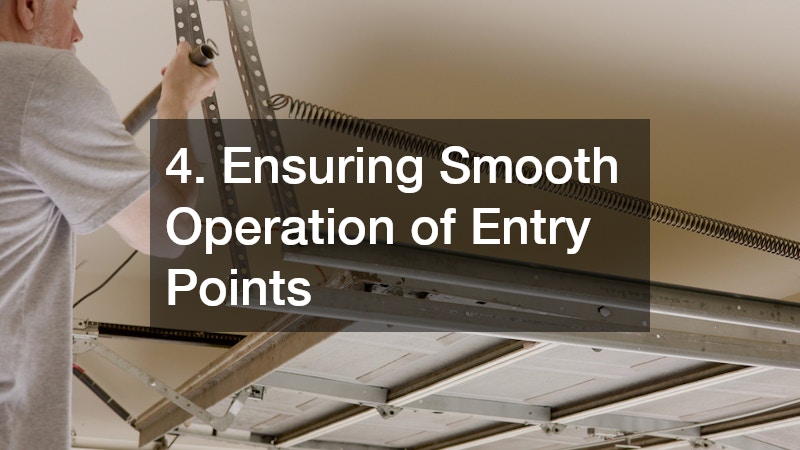
Doors are among the most frequently used components of any home. When they begin to stick, sag, or operate unevenly, the strain affects frames, hardware, and surrounding structures. Addressing these issues early keeps the opening aligned and prevents long-term warping.
Routine maintenance and timely garage door services help preserve one of the home’s largest moving components. Adjustments to tracks, springs, and rollers reduce stress on the door itself and on the framing around it. These simple actions prevent premature aging caused by constant friction and imbalance.
Smooth operation also improves security and insulation. Doors that seal correctly limit drafts and moisture intrusion, both of which accelerate aging. Keeping them functional protects the surrounding materials and helps the home remain efficient and dependable as it gets older.
5. Preventing Sediment and Heat Stress
Heating systems experience constant pressure as they cycle through daily use. Over time, sediment buildup and component wear reduce efficiency and strain internal parts. When these early signs are ignored, breakdowns become more likely and surrounding areas may suffer collateral damage.
Routine attention to water heaters helps them age at a manageable pace. Flushing tanks, replacing worn components, and monitoring performance prevent overheating and internal corrosion. These small steps protect not only the unit itself but also nearby plumbing and structural elements.
Reliable operation ensures consistent comfort and reduces the chance of sudden leaks or failures that can damage floors and walls. By managing heat stress and internal buildup, homeowners help this essential system continue functioning without causing avoidable wear throughout the house.
6. Supporting Consistent Indoor Comfort
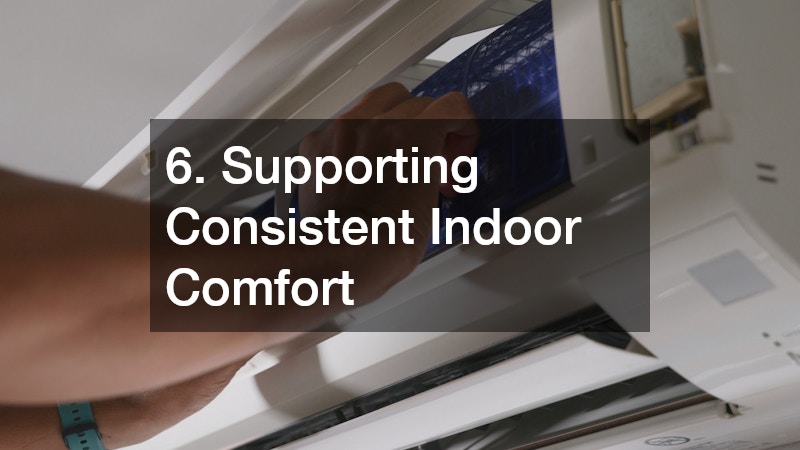
Heating and cooling systems influence far more than temperature. When performance slips, it places stress on ductwork, electrical components, and even the building envelope. Minor inefficiencies often go unnoticed at first, but they quietly accelerate wear throughout the home. Addressing these issues early helps prevent uneven aging in walls, ceilings, and mechanical systems.
Timely HVAC repair allows small problems to be corrected before they strain the entire system. Replacing worn belts, calibrating controls, or sealing minor leaks restores balance and reduces unnecessary load. This keeps the system operating smoothly rather than forcing it to compensate for inefficiencies that can shorten its lifespan.
Consistent airflow also protects materials inside the home. Stable temperatures reduce expansion and contraction in flooring, trim, and drywall. Over time, this moderation helps finishes age evenly instead of cracking or separating. When comfort systems are maintained properly, the house experiences less environmental stress year after year.
A well-maintained climate system also supports healthier indoor air. Cleaner circulation reduces dust accumulation and moisture imbalance, both of which contribute to material breakdown. These benefits make routine system care an important part of helping a home age gracefully rather than unpredictably.
7. Preserving Structural Venting Systems
Fireplaces and venting structures are often overlooked until visible damage appears. However, internal wear can develop long before cracks or stains are obvious. Addressing these hidden issues early helps prevent deterioration that spreads into surrounding masonry and framing.
Regular chimney inspections play a key role in identifying minor problems before they escalate. Small blockages, lining wear, or mortar gaps can be corrected without invasive repairs when caught early. This protects the chimney’s structure and prevents moisture from entering the home.
Proper venting also safeguards indoor air quality and heating efficiency. When systems draw correctly, they place less strain on connected appliances and reduce heat-related stress on surrounding materials. Over time, this steady performance slows the aging process of nearby walls and ceilings.
Maintaining venting systems supports overall home durability. By preventing internal damage and moisture intrusion, homeowners reduce the risk of structural weakening that often goes unnoticed until repairs become extensive. Consistent attention helps this often-forgotten feature age alongside the rest of the home rather than becoming a weak point.
8. Preventing Exterior Wear
Outdoor features experience constant exposure to the elements. Sun, rain, and temperature swings gradually wear down materials, especially when water circulation isn’t functioning properly. Small leaks or pressure issues can cause surrounding surfaces to deteriorate faster than expected.
Routine pool repair services help protect adjacent decking, coping, and structural supports. Fixing minor cracks, leaks, or circulation problems prevents water from seeping into areas that weren’t designed for constant moisture exposure. This attention slows the aging process of both the pool and nearby exterior features.
Well-maintained features nearest your home also reduce soil erosion around foundations. When water stays where it belongs, it limits movement in the ground that can affect patios, walkways, and structural footings. Over time, this stability helps the home maintain its original alignment and integrity.
By addressing small outdoor issues early, homeowners avoid compounding damage that spreads beyond the original problem. These targeted aging home repairs support long-term durability and keep exterior areas functional and visually consistent as the property ages.
9. Responding Quickly to Weather-Related Issues
Severe weather places sudden stress on a home. Even when damage seems minor, it can introduce weaknesses that worsen with time. Ignoring these early signs often leads to hidden deterioration that surfaces months or years later. Prompt attention after emergency storm damage helps prevent secondary issues such as moisture intrusion or structural shifting. Securing exposed areas, replacing damaged materials, and stabilising affected sections protects the rest of the home from accelerated wear.
Quick repairs also preserve the integrity of insulation and interior finishes. When water or wind breaches the exterior, it often affects layers beneath the surface. Addressing the damage immediately limits the spread and keeps repairs manageable rather than extensive. Homes that recover quickly from severe weather tend to age more evenly. By restoring protective barriers early, homeowners reduce the likelihood of long-term degradation that can compromise both safety and comfort over time.
10. Managing Vegetation Near Structures

Landscaping contributes to a home’s appearance, but unmanaged growth can create problems as years pass. Roots, branches, and shifting soil place pressure on foundations, roofs, and drainage systems. Addressing these issues early helps prevent structural stress.
Routine tree service supports healthy growth while protecting nearby structures. Trimming branches away from roofs and siding reduces abrasion and moisture retention. Managing root systems also limits ground movement that can affect foundations and walkways.
Proper vegetation control improves drainage patterns around the home. When water flows away from structures as intended, it reduces erosion and material fatigue. Over time, this balance helps the house maintain stability rather than slowly shifting under environmental pressure.
Thoughtful landscaping maintenance allows the home and its surroundings to age together. By preventing natural growth from becoming destructive, homeowners protect both aesthetics and long-term structural health.
11. Reinforcing Interior Systems Through Ongoing Care
Mechanical systems often age faster when they’re neglected, even if they still appear functional. Subtle inefficiencies compound over time, increasing strain on connected components. Regular attention helps distribute wear more evenly and extend overall system life.
Revisiting water heaters periodically ensures that small performance issues don’t escalate. Monitoring output consistency and addressing minor irregularities protects connected plumbing and reduces stress on surrounding materials. These simple checks support long-term reliability. Consistent system care also makes it easier to plan future upgrades. When components are maintained rather than neglected, replacements can be scheduled strategically instead of reacting to sudden failures. This measured approach helps the home age in a controlled, predictable way. By keeping interior systems stable, homeowners reduce the ripple effects that often accelerate aging throughout the house. Proactive maintenance supports a smoother transition as the home grows older.
Helping a home age well isn’t about constant renovation. It’s about understanding how small repairs for an aging home influence long-term durability and comfort. When attention is given to minor issues early, the home responds by remaining stable, functional, and easier to care for over time.
These choices reduce stress on materials and systems that quietly support daily living. Regular upkeep, including thoughtful residential cleaning, allows homeowners to spot emerging problems sooner and protect interior surfaces from gradual decline. Clean, well-maintained spaces reveal issues while they’re still manageable. Even features outside the main living areas matter. Coordinating with a local flooring store for timely fixes or arranging garage door services before alignment issues worsen helps preserve structural balance. When all these aging home repairs work together, the home doesn’t just survive the years—it adapts to them. Consistent care creates a living space that remains safe, comfortable, and dependable as time moves forward.